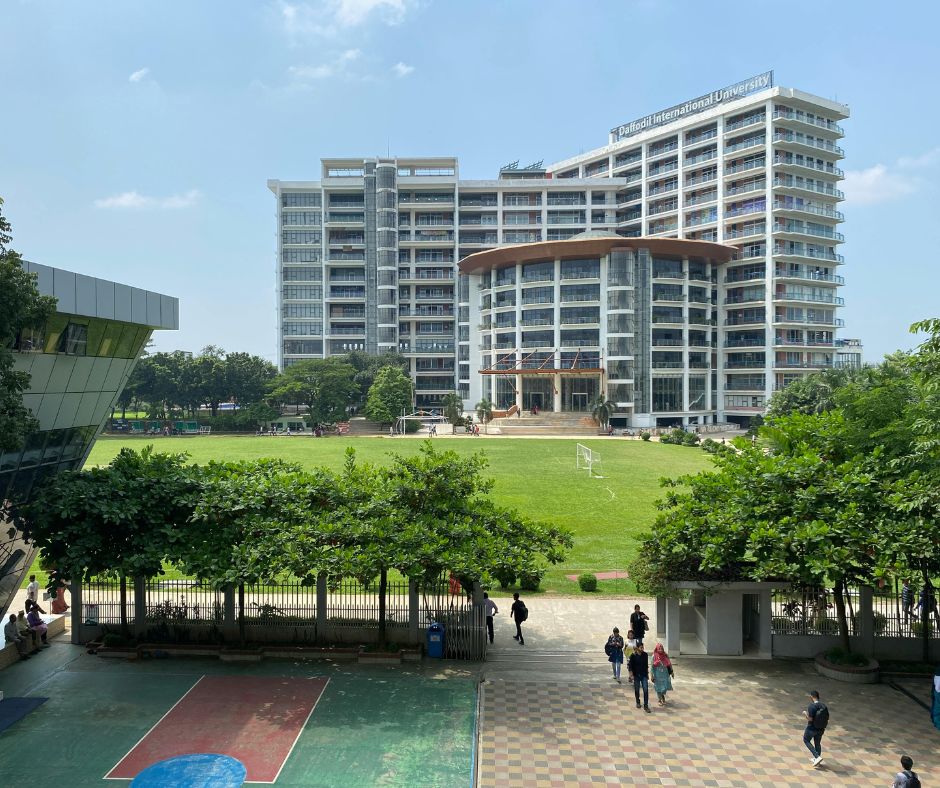
The campus visit is the quintessential moment in a student’s journey where the abstract notion of “college” finally crystallizes into a physical, tangible reality. For many, this is the definitive “vibe check” that can either solidify a top choice or completely reshape a balanced college list. At IvyBound Consulting, we emphasize that a campus visit should be treated as a strategic mission rather than a casual afternoon stroll. While the glossy photos in a digital brochure are designed to highlight the most picturesque angles of a university, an in-person visit allows you to see the institution in its raw, unedited form. To truly make the most of this experience, you must look beyond the scripted narratives and grand architecture to find the subtle clues that reveal the true character of the student body and the academic environment. This is your opportunity to determine if the culture of the school matches your personal values and professional aspirations, ensuring that your investment in higher education is placed in a community where you can genuinely thrive. The official information session and guided tour are essential for understanding the basic logistics of campus life, but they are only the starting point of a truly productive visit. Once the student guide concludes their presentation, your real work as an investigator begins.
We recommend that families spend at least an hour wandering the campus independently to observe the unscripted interactions that define the daily student experience. Pay close attention to the peripheral details that the tour might intentionally skip, such as the bulletin boards in the student union, the condition of the common areas in older residential halls, or the way students interact in the campus coffee shop. These spaces are the social pulse of the university and reveal the true interests of the student body, whether it is a high volume of political activism, a thriving intramural sports culture, or a focus on niche hobbyist clubs. Take a seat in the dining hall during the lunch rush and listen to the tone of the conversations around you. Are students discussing their recent lectures with genuine intellectual curiosity, or is the atmosphere defined by a sense of social isolation? Observing these nuances helps you determine if you can see yourself as a permanent thread in the existing social fabric of the community, rather than just a temporary visitor.
Engaging with the Human Element through Candid Conversations
While the admissions office provides highly trained representatives to answer your questions, the most valuable insights often come from the students who are not being paid to recruit you. Do not be afraid to politely approach a student sitting on the quad or in the library to ask about their genuine experience. Asking specific, open-ended questions like what they found most surprising about their first semester or what they would change about the campus culture if they had the power to do so can yield far more honest data than a standard Q&A session. Furthermore, if you have a specific academic interest, try to visit the department building for that major to see the facilities and the faculty accessibility firsthand. Walking through the halls of the engineering building or a science lab allows you to see if the equipment is modern and if the students look engaged in their work. If a professor has their office door open, a brief and respectful introduction can sometimes lead to a spontaneous and insightful conversation about research opportunities or the departmental philosophy regarding undergraduate mentorship. These human connections provide a depth of understanding that makes your eventual application much more personal and informed, showing admissions officers that you have done the deep work to understand their unique community.
Documenting the Sensory Details for Future Supplemental Essays
The greatest challenge of a multi-campus road trip is the inevitable mental blur that occurs after visiting several different schools in a short period of time. Every library eventually starts to look the same, and the names of the residential colleges begin to blend together in your memory. To combat this cognitive fatigue, you must treat your phone’s camera and notes app as essential tools for strategic documentation during your visit. Immediately after leaving the campus gates, find a quiet spot to record your immediate impressions and the small, sensory details that stood out to you. Do not just write down that you liked the campus environment; record specific “micro-moments,” such as a joke a tour guide made about a campus tradition, a specific piece of equipment in a lab that impressed you, or the way the students gathered in a specific courtyard between classes.
These specific, lived details are the “gold” you will need when you sit down months later to write the “Why This College” supplemental essay. Admissions officers can easily distinguish between a generic essay and one written by a student who truly stood in their hallways and noticed the unique character of their institution. By documenting these sensory details while they are fresh, you are essentially pre-writing some of the most important and persuasive components of your application. If you are feeling overwhelmed by the college search process or need help turning your campus observations into a winning application strategy, the team at IvyBound Consulting is here to support you through every phase of the journey. Contact IvyBound Consulting today to schedule a comprehensive consultation where we can help you analyze your college list, prepare for your upcoming campus visits, and ensure that every step you take brings you closer to finding the perfect academic and cultural fit for your future success.
Schedule a free consultation with IvyBound Consulting to meet Ruchi S. Kothari, and take the first step toward a future that reflects who you truly are. Let’s talk!